- May 20
- By Pecron LLC

Power outages used to feel like a temporary inconvenience. Today, for many American families, they can quickly become a serious disruption to daily life.
More people now work remotely, rely on home internet for school and communication, and use medical devices that require constant electricity. At the same time, extreme weather and grid instability have made outages more common across many parts of the U.S.
Because of that, home backup power is no longer just something for emergency preppers. For many households, it has become part of basic emergency preparedness.
Why More Families Are Preparing for Power Outages
Different parts of the country face different risks, but the result is often the same: losing power for hours or even days.
In California and other western states, planned PSPS outages during wildfire season have become increasingly common. In the South and East Coast regions, hurricanes and extreme summer heat can quickly make homes uncomfortable or even unsafe without air conditioning. Winter storms in northern states can also leave families without heating for extended periods.
When the power goes out, most people are not trying to live normally forever. They simply want to keep essential devices running and maintain a safe, functional home until the grid comes back online.
That’s where portable power stations and battery backup systems have become increasingly useful.

What Most Families Prioritize During an Outage
Most households focus on a few important essentials rather than trying to power the entire home.
Medical Devices
For families using CPAP machines, oxygen concentrators, or other medical equipment, backup power can be extremely important.
Many CPAP machines typically consume around 30W–60W. Running one overnight may require approximately 240Wh–480Wh depending on usage and settings.
Having reliable backup power for medical devices can provide an extra layer of security during overnight outages or severe weather events.
Refrigerators and Food Storage
Food spoilage is one of the most common problems during long outages.
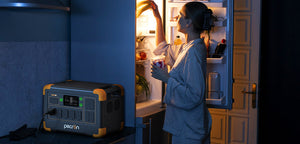
A standard refrigerator may use roughly 1kWh–3kWh per day depending on size, age, and surrounding temperature. During summer outages, keeping a refrigerator running can help families avoid losing hundreds of dollars in groceries.
Internet, Phones, and Remote Work
For many Americans, electricity now directly affects work and communication.
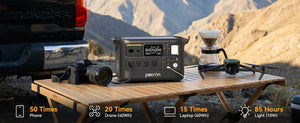
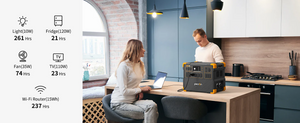
A Wi-Fi router, laptop, phones, and small electronics do not consume huge amounts of power individually, but together they are often the first devices families want to keep online during an outage.
Reliable internet access can also be important for receiving weather updates, emergency alerts, and staying connected with family.

Basic Heating or Cooling
Large central HVAC systems typically require far more power than most portable units can provide.
However, many modern power stations can still support a small window AC unit, fan, or space heater to help keep one room comfortable during extreme temperatures.
For many households, creating one “safe room” during an outage is often more practical than attempting to power the entire house.
Choosing the Right Backup Power System
When shopping for backup power in the U.S., output voltage matters.
Smaller systems in the 500Wh–1500Wh range are usually enough for phones, laptops, lighting, Wi-Fi equipment, and short-term refrigerator support.
Larger systems become more important for homes using well pumps, sump pumps, power tools, RV equipment, or higher-power appliances that require 240V output.
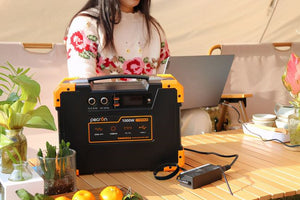
Some expandable systems, such as the PECRON F5000LFP combined with the FP5000-48V expansion battery, are designed for heavier home backup applications and offer both 120V and 240V output capabilities for larger appliances and emergency situations.
One important detail many buyers overlook is surge power.
For example, a refrigerator may only use around 150W during normal operation, but the compressor can require a much higher startup surge when turning on. Choosing a system with enough surge capacity helps ensure appliances can start properly during an outage.

Why Many Homeowners Are Moving Away From Gas Generators
Gas generators have been used for decades, but battery-based systems have become increasingly popular in recent years for several practical reasons.
Safer for Indoor Use
Traditional gas generators produce carbon monoxide and must always be operated outdoors.
Battery power stations, on the other hand, produce no fumes and can safely operate inside the home.
Less Dependence on Fuel
During major storms or natural disasters, gas stations may close, lose power, or experience fuel shortages.
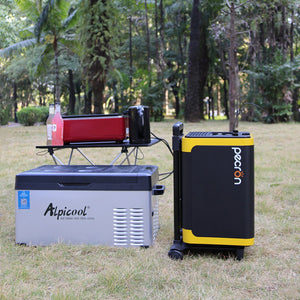
Modern solar generators offer an alternative charging solution when fuel access becomes difficult during emergencies.
Lower Maintenance
Gas generators require regular maintenance, oil changes, and periodic engine operation to remain reliable.
Battery systems are generally simpler to maintain and easier for many homeowners to use during emergencies.
Simple Ways to Prepare Before the Next Outage
Like most emergency equipment, backup power works best when you prepare before severe weather arrives.
A few simple habits can make outages much easier to manage:
- Fully charge your backup battery before storm season
- Test important appliances in advance
- Keep charging cables and solar panels accessible
- Recharge stored batteries every few months if unused
- Decide ahead of time which devices matter most during an outage
Many families find that even basic preparation significantly reduces stress when unexpected outages happen.
Final Thoughts
Backup power today is about more than keeping the lights on.
For many households, it helps protect food, maintain communication, support remote work, and keep important devices operating during emergencies.
Whether preparing for storms, wildfire-related outages, or winter weather, having a reliable backup power solution can make daily life much easier when the grid becomes unreliable.